
Your Land. Your Priorities. A Considered Investment.
Understanding the Investment in Your Custom Home
A beautiful custom home begins with a clear understanding of what matters to you—and what it will take to bring those priorities to life.
The cost to build in the Texas Hill Country depends on more than square footage. Your property, architecture, materials, and the way you want to live all shape the investment. At Brad Moore Builders, we begin by understanding those pieces together.
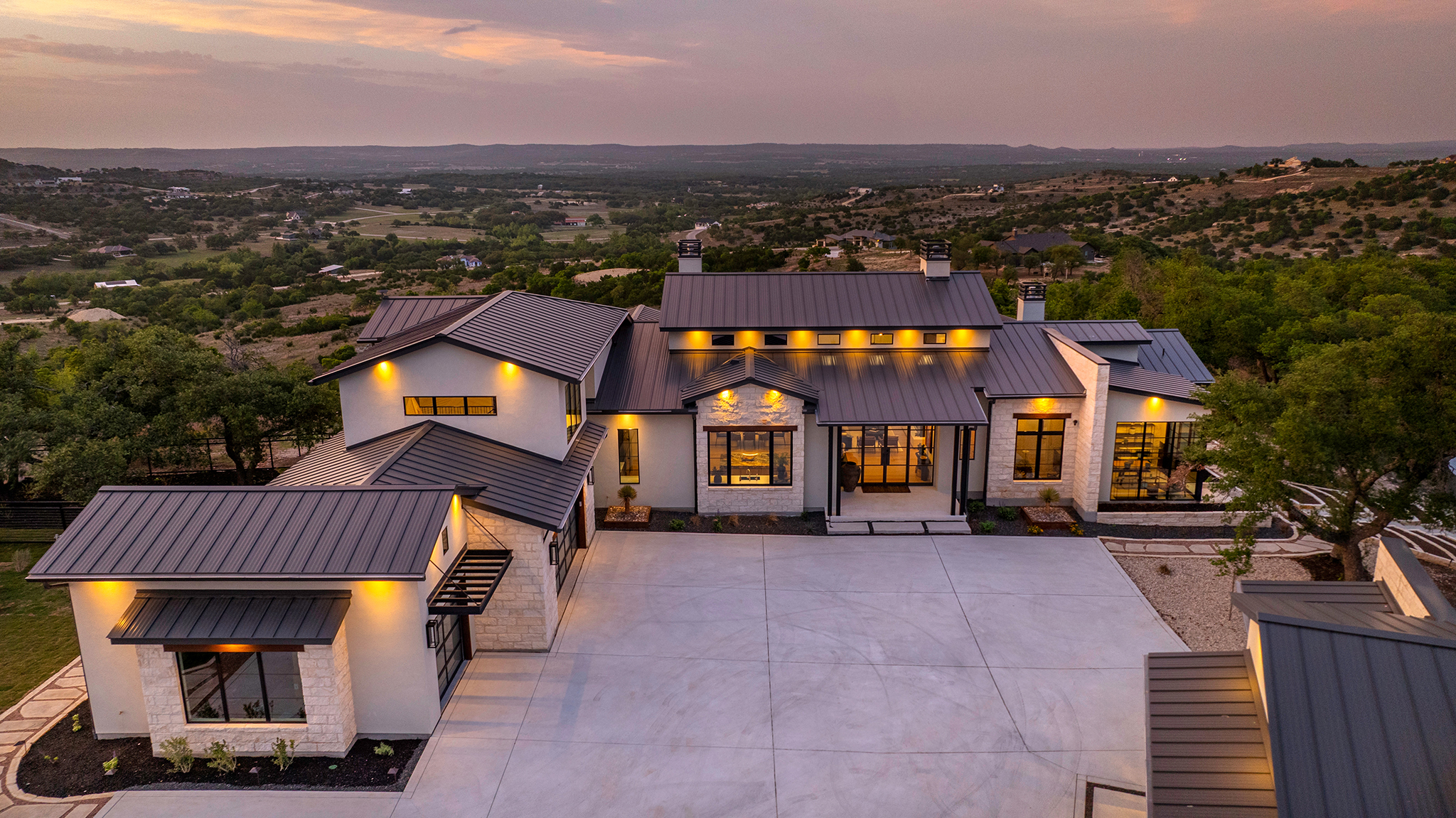
What Will Your Custom Home Cost?
A meaningful estimate starts with your particular home and homesite.
Two homes with the same square footage can require very different investments. One may have a straightforward footprint on a level lot. Another may include extensive site preparation, expansive glass, detailed rooflines, a separate casita, and outdoor living designed around a pool.
A price per square foot can provide context, but it needs a clear definition of what is included. The more useful question is: What will it take to build the home we envision on our property?
Start With the Land
The Hill Country landscape is part of what makes a custom home special. It can also have a significant effect on the investment.
Soil & Rock
Soil composition can change considerably from one property to another—and even across a single homesite. Some areas have substantial rock; others have loose or variable soils. Understanding those conditions helps inform excavation, site preparation, and foundation design.
Topography & Access
A sloping homesite may require additional grading, retaining walls, foundation work, or a more involved driveway approach. Considering the home’s placement early can help balance views, access, outdoor living, and construction costs.
Water Wells & Septic
Many Hill Country properties require a private water well and an on-site septic system. The requirements, location, and cost of these systems should be considered alongside the house, along with electrical service and other utility connections.
Bring your survey, available topographic information, and any existing soil, well, or septic information into the conversation.
An Early Understanding of the Investment
Begin With a High–Low Estimate
You do not need every finish selected to begin understanding the potential investment.
As part of our process, we can have your plans reviewed by our estimator to develop a High–Low estimate. This preliminary range draws on our conversations about your home, available topographic information, floor plans, and the interior options you are considering.
The range helps you understand where the project might land and provides a starting point for discussing priorities and design decisions. It is not a guaranteed price or a substitute for detailed pricing based on a defined scope and specifications.
As the plans, property information, and selections become more complete, pricing can become more specific.
Architecture Shapes the Investment
The size of a home matters, but so does its complexity.
Ceiling heights, rooflines, structural spans, window sizes, and the relationship between rooms can influence construction costs. Covered terraces, guest quarters, courtyards, and detached buildings add spaces that may fall outside the home’s air-conditioned square footage.
Thoughtful planning connects these decisions with your priorities. The goal is a home whose architecture, function, and investment work together.
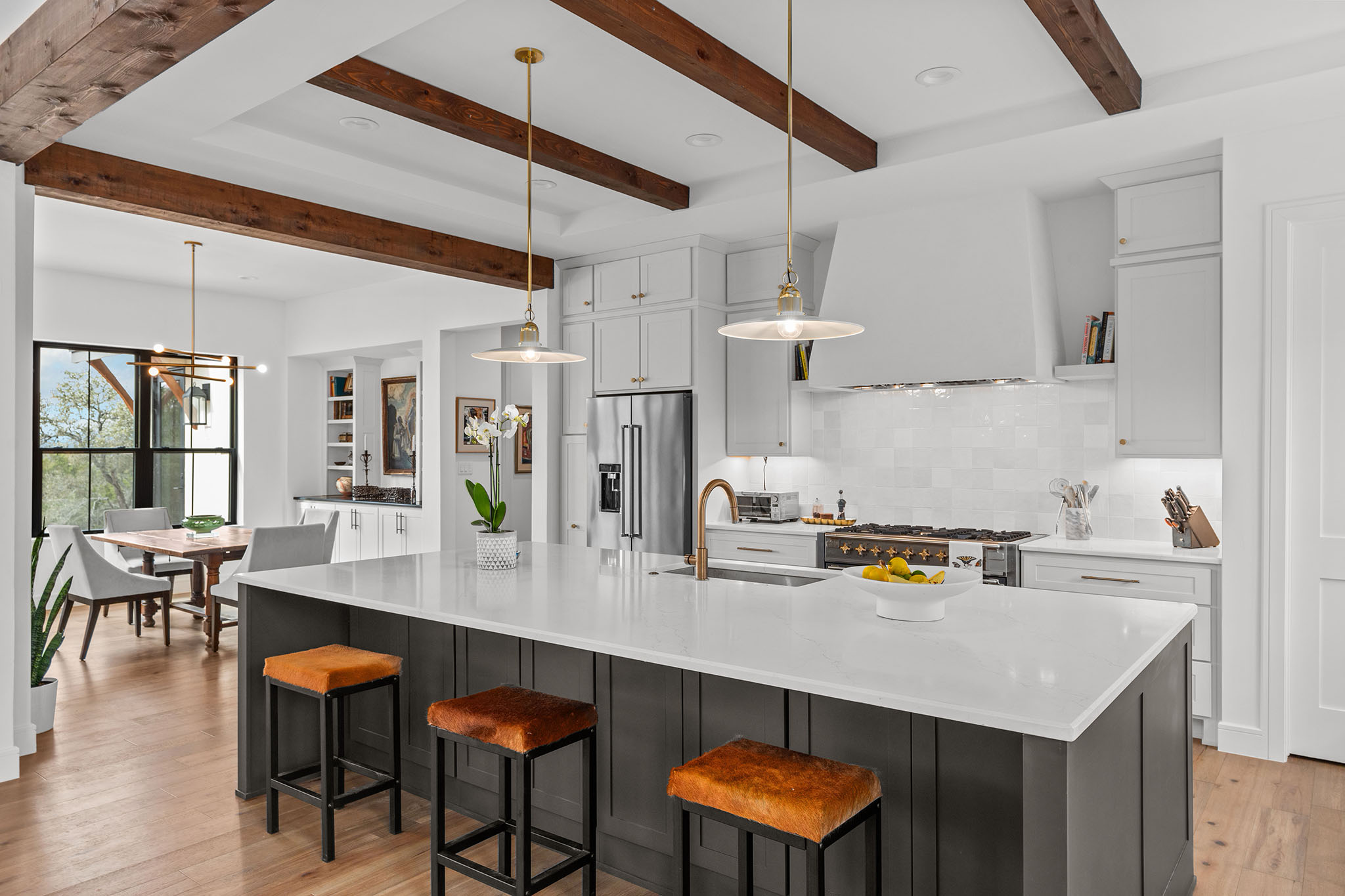
Materials and Details Make a Difference
Cabinetry, flooring, windows, doors, appliances, plumbing fixtures, lighting, and finish selections all contribute to the character and cost of a custom home.
Some homeowners place the greatest emphasis on a kitchen designed for gathering. Others prioritize a private primary suite, distinctive stonework, or outdoor spaces for entertaining.
Identifying those priorities early helps guide selections and allowances. It also creates a clearer basis for comparing options as the design develops.
Understand Your Allowances
Allowances set aside an amount for specified items that have not yet been fully selected. Depending on the proposal, these may include items such as flooring, lighting, plumbing fixtures, or appliances.
The important question is whether those amounts reflect the selections you have in mind. Discussing your expectations early helps establish a more useful budget and makes the effect of later choices easier to understand.
When reviewing an estimate, ask what each allowance covers, how it was established, and how differences between the allowance and your final selections will be handled.
Consider the Whole Property
Your overall project budget may extend beyond the house itself. Depending on your plans, it may also include:
- Land acquisition.
- Design, engineering, surveys, and applicable approvals.
- Site preparation, access, and utility work.
- Pools, outdoor kitchens, and expanded terraces.
- Landscaping, irrigation, and fencing.
- Guest houses, workshops, or other separate structures.
- Furnishings and window treatments.
Some items may be included in a builder’s proposal; others may be handled separately. Understanding that distinction early helps you plan the full investment.
Look Closely at What an Estimate Includes
Before comparing estimates, make sure you are comparing the same scope.
Review the plans, specifications, allowances, site-work assumptions, and exclusions behind each proposal. Ask how selections and changes will be documented and priced. If an important detail remains undecided, discuss how it will be addressed as the project develops.
Clarity at this stage helps you make informed decisions throughout construction.
Plan for Efficiency and Resilience
A custom home also offers the opportunity to consider how you want it to perform over time.
Alongside insulation, windows, and mechanical systems, you may want to explore rainwater catchment, solar power, or backup power from a generator or battery system. These options serve different goals, from water conservation and energy efficiency to continuity during an outage.
Discuss them early so their costs, space requirements, and connections can be considered as part of the overall plan.
Where Should You Prioritize Your Investment?
Begin with the parts of the home that will shape your everyday experience.
A well-considered layout, comfortable proportions, natural light, useful storage, and a strong connection to the outdoors can influence how the home lives for years to come. Construction quality, water management, and mechanical planning deserve attention alongside visible finishes.
From there, consider the features that make the home personal: a welcoming guest suite, a dedicated study, a greenhouse, or a terrace designed for evenings with family. Your priorities should guide the conversation.
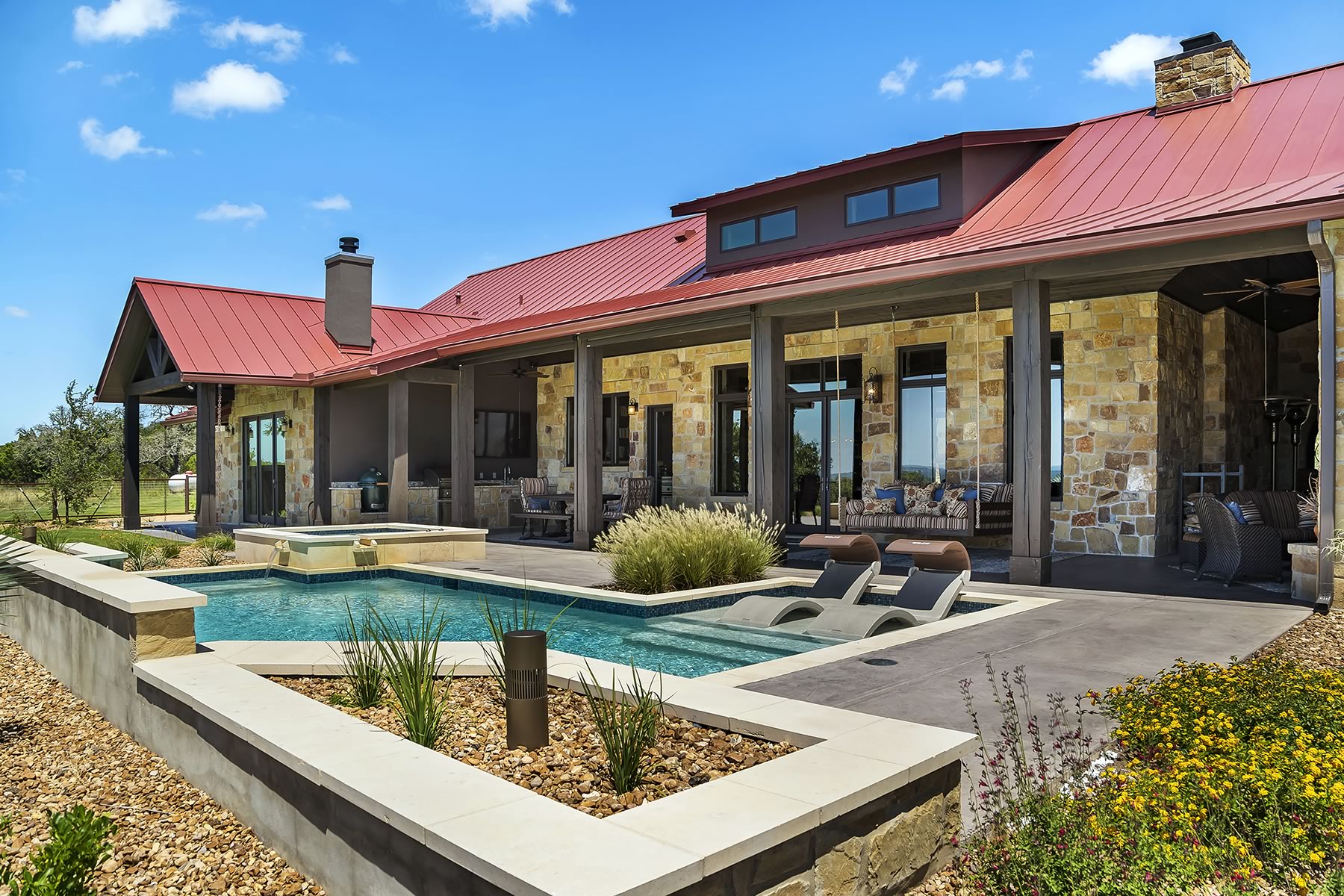
A Clearer Path From Vision to Construction
Since 2001, Brad Moore Builders has created custom homes across the Texas Hill Country with an emphasis on craftsmanship and personal attention.
Our process connects your property and priorities with design coordination, pricing, selections, and construction. Discussing the investment early helps establish a direction for the decisions ahead.
You do not need to have every answer before reaching out. A location, an approximate home size, an investment range, and a few ideas about how you want to live are useful starting points.
Questions About Custom Home Costs
Can you estimate our home before the plans are finished?
An early conversation can help identify the main factors affecting your investment. When enough plan and property information is available, our estimator can review it for a preliminary High–Low estimate. A detailed proposal requires a defined scope, plans, and specifications.
Is price per square foot a useful comparison?
It can be one reference point when the scope and calculation are consistent. Confirm whether the figure includes site work, garages, covered outdoor spaces, design fees, and other project costs before comparing it with another estimate.
Can we discuss a budget before buying land?
Yes. Share the property you are considering and your overall goals. Access, utilities, restrictions, and site conditions are worth reviewing alongside the purchase price.
Should we have an investment range in mind?
A range helps us understand your expectations and discuss how they relate to your property and design priorities. It gives the early conversation a useful starting point.
How long will our home take to build?
Timing depends on the design, required approvals, site conditions, material availability, and scope of construction. Share your preferred move-in timeframe early so we can discuss the stages involved.
Early conversations welcome
You don’t need every answer to begin.
Whether you have land, a few ideas, or questions about where to start, we can help you understand the next step toward your custom home.
Your story. Your home.
Your story deserves a home of its own.
Tell us about the way you live, what matters to you, and where you hope to call home. We’ll help you explore what comes next.
Custom homes throughout the Texas Hill Country.
Your next step
Let’s talk about what comes next.
You do not need every answer before we meet. Whether you have land and plans or are still exploring the possibilities, we can help you understand the next step toward your custom home.
Custom homes throughout the Texas Hill Country.
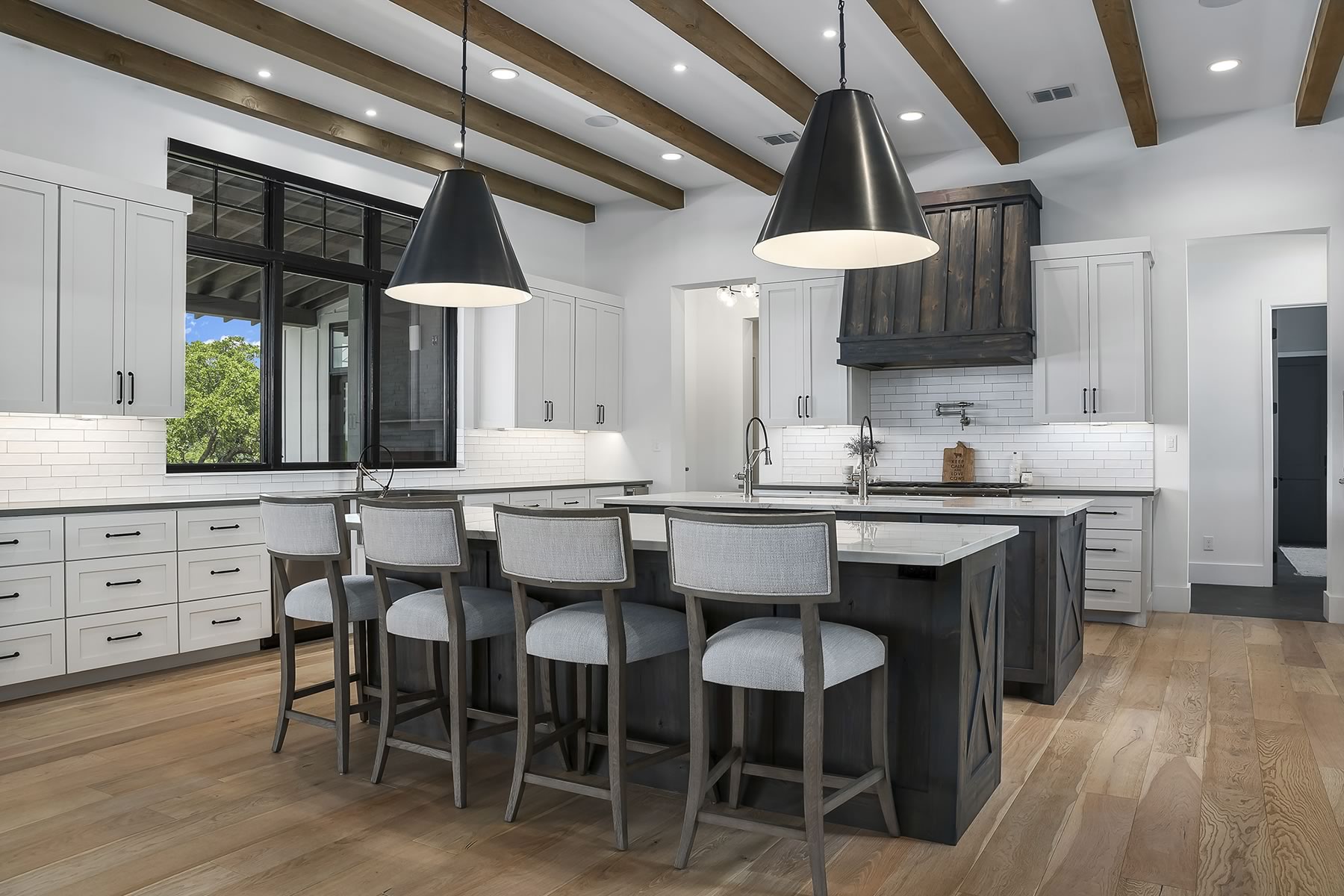
Inspired by what you see?
Let’s explore what home could look like for you.
The homes you’ve seen began with a conversation. Share your ideas, your priorities, and the details that would make a home feel like yours.
