
A custom home should never feel like it was designed for someone who does not live there.
It should reflect your family, your routines, your taste, your land, and the way you want to live. That is the purpose of building custom.
At the same time, a custom home is a major financial investment. Even when homeowners plan to stay for many years, life can change. Careers change. Families grow. Children leave home. Priorities shift. A move that was never part of the original plan may eventually make sense.
That does not mean every decision should be made for a future buyer.
It means the home should be designed with enough balance that it feels deeply personal today while still protecting its long-term appeal.
The answer is not to remove personality.
The answer is to understand where personality adds value, where flexibility matters, and which permanent decisions deserve a more timeless approach.
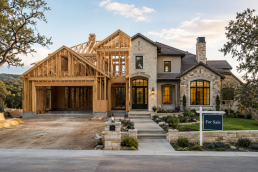
Build for Your Family First
Resale value should be part of the conversation, but it should not control the entire design.
You are the one building the home.
You are the one investing in it.
You are the one who will wake up there, raise a family there, entertain there, work there, rest there, and create memories there.
The home needs to serve your life first.
Designing only for resale can lead to a home that feels safe but impersonal. It may photograph well and appeal to a broad audience, but it may never feel connected to the people who actually live there.
A custom home should have character.
It should include spaces, materials, and details that mean something to you. The key is making those decisions with an understanding of how permanent they are and how they affect the overall function of the home.
Build for your family first.
Simply avoid making every permanent decision so specific that the home can only work for your family.
Begin With a Strong, Functional Floor Plan
One of the best ways to protect long-term value is to begin with a floor plan that lives well.
Finishes can be changed.
Paint can be updated.
Light fixtures can be replaced.
A poorly functioning floor plan is much more difficult to correct.
The home should have a clear relationship between the kitchen, living areas, bedrooms, bathrooms, storage, garage, utility spaces, and outdoor living. Rooms should be appropriately sized. Traffic patterns should feel natural. Furniture placement should make sense.
Consider how people enter the home.
Where do groceries come in?
Where do backpacks, shoes, packages, and everyday items go?
Can guests reach a bathroom without walking through a private area?
Does the kitchen connect naturally to dining and outdoor living?
Is the primary suite private without feeling disconnected?
Can the home comfortably handle both everyday routines and larger gatherings?
A strong floor plan benefits your family now and makes the home easier for a future buyer to understand.
Good design does not need to be explained.
It simply feels right.
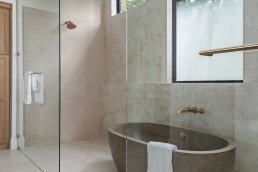
Create Flexible Spaces
A custom home can be designed for your current lifestyle without locking every room into one purpose forever.
A room used as a nursery today may become a home office later.
A game room may eventually serve as a media room, exercise space, second living area, or guest retreat.
A private study could become a library, music room, craft room, or additional bedroom if it has the right proportions and access.
Flexibility adds value because it gives the home room to change.
This does not mean every room needs to be generic. It means the underlying design should allow the space to serve more than one chapter of life.
Consider ceiling heights, windows, closet access, bathroom proximity, privacy, and furniture placement when planning flexible rooms.
A highly specialized room may be perfect for your family. But before making it permanent, ask whether the basic structure could support another use later.
The best custom homes do not remain frozen in time.
They adapt.
Separate Permanent Decisions From Changeable Details
One of the smartest ways to balance personal style and resale value is to separate the permanent elements of the home from the details that can be changed more easily.
Permanent or costly-to-change decisions include:
- The floor plan
- Rooflines
- Window and exterior-door placement
- Structural walls
- Ceiling designs
- Cabinet layouts
- Plumbing locations
- Large areas of tile or stone
- Built-in specialty spaces
- Exterior materials
- Major mechanical and electrical systems
More easily changed elements include:
- Paint
- Decorative lighting
- Cabinet hardware
- Plumbing fixtures
- Furniture
- Window treatments
- Artwork
- Rugs
- Bedding
- Accessories
- Selected accent materials
Personality can be expressed strongly through the second group without compromising the foundation of the home.
That does not mean all permanent materials must be plain.
A distinctive stone fireplace, dramatic ceiling, beautiful range hood, custom staircase, or carefully designed entry can give the home lasting identity.
The difference is intentionality.
A permanent feature should strengthen the architecture rather than depend entirely on a passing trend.
Let the Architecture Carry the Character
A memorable custom home does not need to rely on trendy finishes to feel personal.
Character can come from proportion, craftsmanship, natural light, materials, and the way the home relates to its surroundings.
In the Texas Hill Country, limestone, wood, steel, stucco, large windows, shaded outdoor living, mature trees, and long views can all help create a home that feels connected to its setting.
These elements can be interpreted in many ways.
One home may lean traditional.
Another may feel modern.
Another may blend Hill Country character with cleaner lines and more contemporary details.
The goal is not to copy a particular style.
The goal is to design a home whose architecture feels complete and authentic.
When the character comes from the bones of the home, it tends to age better than a design built around a collection of short-lived trends.
Use Personal Style With Purpose
Personal style is not the enemy of resale value.
Poorly considered personalization is the greater risk.
There is a meaningful difference between a home that feels custom and a home that feels difficult to change.
A rich cabinet color in a study can create depth and distinction.
A dramatic powder room can make a strong impression.
A unique light fixture can become a focal point.
A patterned tile can add personality to a contained space.
Custom millwork can make a library, bar, office, or dining area feel finished and intentional.
These decisions can create memorable moments without overwhelming the entire home.
The most personal choices often work best in spaces where they feel deliberate rather than repeated everywhere.
A bold element becomes more powerful when it has room to stand on its own.
Personalization should give the home a point of view.
It should not create visual competition from room to room.

Keep the Kitchen and Primary Bathroom Timeless at the Foundation
The kitchen and primary bathroom carry a great deal of visual and functional weight in a custom home.
These spaces should absolutely reflect your preferences, but their foundational decisions deserve careful consideration.
In the kitchen, prioritize a strong layout, quality cabinetry, useful storage, durable countertops, proper lighting, appliance planning, and comfortable movement.
In the primary bathroom, prioritize privacy, lighting, ventilation, storage, durable materials, and a layout that feels spacious without wasting square footage.
Personality can then be introduced through hardware, fixtures, lighting, cabinet color, mirrors, accent tile, and other details.
Timeless does not mean boring.
It means the space is built on good proportions, useful function, durable materials, and cohesive design.
A beautiful kitchen or bathroom should not depend on one trend to remain relevant.
It should still work when finishes and decorative elements evolve.
Planning the heart of your home? Read our guide to designing a custom kitchen that adds everyday value.
Avoid Stacking Too Many Trends
Trends can provide inspiration, but a custom home should not become a collection of everything that is popular at one moment.
When multiple strong trends are combined throughout the entire house, the home can begin to feel dated sooner.
Consider using trends selectively.
Choose the ideas that genuinely fit your taste and the architecture of the home. Allow other decisions to be quieter so the design has balance.
A trendy cabinet finish may work beautifully when paired with timeless flooring and countertops.
A dramatic tile may be effective in a powder bath without being repeated across every bathroom.
A bold fixture may define a room without requiring every fixture in the home to make the same statement.
The goal is not to avoid current design.
The goal is to avoid allowing a single design moment to define the entire investment.
Protect Bedrooms, Storage, and Garage Space
Some highly personalized changes can unintentionally reduce the broad usefulness of a home.
Combining bedrooms to create one oversized specialty room may work for your family but reduce future flexibility.
Removing closets to create display space may look impressive but weaken everyday storage.
Converting most of the garage into a gym, entertainment room, or workshop may create a useful space now while limiting parking and storage later.
That does not mean these features should never be included.
It means they should be planned carefully.
A larger garage can accommodate vehicles and a workshop.
A game room can be designed to support fitness equipment without losing its flexibility.
Two connected bedrooms might share a removable opening rather than becoming one permanent room.
Custom design allows creative solutions.
The goal is to gain the feature you want without unnecessarily giving up a function that remains valuable.
Invest in Quality That Buyers Can Feel
Long-term value is not created by finishes alone.
Construction quality, craftsmanship, comfort, durability, and execution matter.
Doors should feel substantial.
Cabinetry should function smoothly.
Flooring should be appropriate for the way the home will be used.
Water management should be planned correctly.
Windows, insulation, mechanical systems, and roofing should support comfort and performance.
Stone, woodwork, trim, tile, and other details should be installed with care.
These qualities may not always be the first thing someone notices in a photograph, but they become clear when someone walks through the home.
A well-built home feels different.
Quality also allows personal design choices to appear intentional rather than decorative. A distinctive detail becomes more valuable when it is supported by excellent workmanship.
Trends change.
Quality remains recognizable.
Consider Maintenance and Long-Term Ownership
A feature can be beautiful and still create unnecessary difficulty if it requires constant maintenance.
Before selecting a material or design element, consider how it will perform in real life.
How will it respond to children, pets, sunlight, moisture, cooking, entertaining, and everyday use?
Will the material age naturally, or will it begin to look worn?
Can it be repaired?
Can replacement pieces be sourced later?
Does it require specialized maintenance?
Will an exterior feature perform well in Texas heat, storms, and changing weather?
These questions do not eliminate luxury.
They help define it.
True luxury is not only visual.
It is living in a home that continues to function, perform, and look beautiful without creating avoidable frustration.
Design Around the Land
In the Texas Hill Country, the property itself is one of the strongest contributors to long-term appeal.
Views, mature trees, privacy, topography, natural light, driveway approach, outdoor living, and the relationship between the home and the land should all influence the design.
A home that captures a beautiful view or protects an established oak creates value that cannot be duplicated through interior selections.
The orientation of the home can also affect afternoon sun, outdoor comfort, privacy, and the way rooms feel throughout the day.
Rather than forcing a favorite plan onto the property, allow the land to shape the home.
That creates a more personal result because the home belongs to its setting.
It also creates lasting appeal because future owners can experience the same connection to the property.

Ask the Right Questions Before Making a Highly Personal Decision
Before approving a highly specialized feature, ask:
Does this improve the way our family will live?
Does it fit the architecture of the home?
Would it be expensive or difficult to change?
Does it remove another useful function?
Could the space serve a different purpose in the future?
Will we still appreciate this decision after the current trend has passed?
Is there a less permanent way to create the same feeling?
There is no formula that determines whether a personal feature is right or wrong.
The answer depends on your priorities, the home, the property, the investment, and how long you expect to live there.
The purpose of these questions is not to talk you out of something you love.
It is to make sure the decision is being made with clarity.
A Personal Home Can Still Have Lasting Appeal
A custom home should tell your story.
It should not feel like a model home designed to offend no one.
It should have warmth, character, craftsmanship, and details that make it unmistakably yours.
Protecting resale value does not require removing those qualities.
It requires a strong floor plan, adaptable spaces, lasting materials, quality construction, regional authenticity, and a clear understanding of which personal decisions will be permanent.
Build the home for your family.
Give it enough flexibility to serve another family one day.
That is the balance.
At Brad Moore Builders, we believe a custom home should reflect the people who will live there while being planned with wisdom, quality, and long-term value in mind.
Because when your story is the blueprint, the home should feel personal from the beginning—and remain valuable for years to come.
Let’s Start the Conversation
Whether you already have land or are just beginning, we are here to help you take the next step toward your custom home.
