
Building a custom home is one of the most personal investments a family can make.
It is exciting to think about the floor plan, kitchen, finishes, outdoor living, and the way the home will feel when it is finished. But some of the most important decisions happen long before construction begins.
Many regrets in custom home building do not come from choosing the wrong paint color.
They come from things that were not discussed, understood, or planned early enough.
That is why the planning stage matters so much.
At Brad Moore Builders, we believe a well-built custom home starts with thoughtful conversations before construction ever begins. The more clarity a homeowner has early in the process, the better the final home can serve their family, their land, their lifestyle, and their long-term investment.
Here are a few areas homeowners are wise to think through early before building a custom home.
1. Not Understanding the Land Before Designing the Home
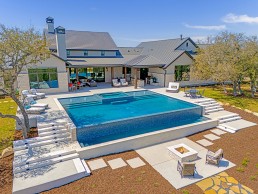
A custom home should be designed around the land it sits on.
Every property is different. The slope, trees, views, drainage, driveway access, utilities, restrictions, and natural features of the lot can all influence the design, budget, and overall direction of the home.
Sometimes buyers fall in love with a floor plan before fully understanding the property.
That can create challenges later.
A plan that works beautifully on one lot may not be the right fit for another. In the Texas Hill Country, this is especially important. Many properties have elevation changes, limestone, mature oaks, long views, and site conditions that should be considered before the design is finalized.
The land should help guide the home.
When this step is rushed, homeowners may later wish they had taken more time to understand how the home should sit on the property, how it should capture views, and how the overall layout should respond to the natural setting.
2. Not Setting a Realistic Budget Early
Budget clarity is one of the most important parts of building a custom home.
A common mistake is thinking only about the size of the home and the visible finishes. But the full investment includes more than what people see in photos.
The home, the land, the site conditions, the design, the selections, the outdoor living areas, and the long-term goals all play a role.
When buyers do not think through the full picture early, the budget can feel pressured later.
This is where early guidance matters.
A good builder can help homeowners understand what questions need to be asked, what areas may impact cost, and where priorities should be established before the project moves too far down the road.
The goal is not to remove every unknown.
The goal is to make wise decisions with as much clarity as possible.
A custom home should begin with wisdom, not guesswork.
3. Not Prioritizing Needs and Wants
Every custom home comes with decisions.
Some features are must-haves.
Some are wants.
Some are ideas that may sound good early on but need to be weighed against the overall investment and long-term value of the home.
One of the biggest regrets homeowners can have is not deciding early what matters most.
Without clear priorities, it is easy for the budget and design to get pulled in too many directions. A buyer may spend more in one area and later wish they had protected room for something more important.
That is why it helps to separate needs, wants, and wish-list items before design and selections begin.
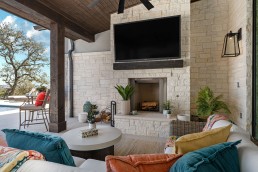
For one family, the priority may be a larger kitchen, a walk-in pantry, and better storage.
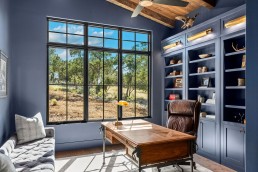
For another, it may be outdoor living, a private guest suite, or a home office.
For another, it may be views, garage space, or long-term flexibility.
The best custom homes are not built by saying yes to everything.
They are built by saying yes to the right things.
4. Not Thinking Through How the Home Will Live Day to Day
A custom home should look beautiful, but it also needs to live well.
This is where many regrets happen.
A room can look impressive on paper but still miss the way the family actually uses the space. Daily routines matter. Morning schedules matter. Groceries, laundry, shoes, backpacks, guests, pets, holidays, and everyday movement through the home all matter.
The kitchen, pantry, laundry room, mudroom, garage, living room, bedrooms, and outdoor spaces should work together.
The question is not only, “Does this look good?”
The better question is, “Will this make daily life better?”
When a home is designed around real life, it feels easier to live in. It supports the family instead of working against them.
That kind of planning does not happen by accident.
5. Not Planning Enough Storage and Utility Space
Storage is not always the most exciting part of designing a custom home, but it is one of the most appreciated once the family moves in.
Homeowners rarely regret having well-planned storage.
They often regret not having enough.
Storage should be considered throughout the entire home, not just in closets. Pantry space, laundry storage, mudroom space, garage storage, linen storage, seasonal storage, and everyday drop zones can all make a major difference in how the home functions.
The goal is not to simply make spaces bigger.
The goal is to make them smarter.
A custom home should reduce clutter, not create more of it.
When storage and utility spaces are planned early, they can be built into the home in a way that feels clean, intentional, and natural. When they are treated as an afterthought, they can become a daily frustration.
6. Not Thinking Through Lighting and Electrical Needs
Lighting and electrical planning can have a major impact on how a home feels and functions.
Many buyers do not realize how important these decisions are until after they are living in the home.
Lighting affects comfort, mood, beauty, and convenience. Electrical planning affects how the family uses each room, how furniture is arranged, how technology is supported, and how outdoor areas function.
This includes more than light fixtures.
It includes how the home works in the morning, in the evening, when guests are over, when the family is outside, and when the home needs to support modern living.
The right planning can make a home feel finished and thoughtful.
The wrong planning can lead to small frustrations that show up every day.
These details are much easier to think through before construction than to correct later.
7. Not Planning Outdoor Living Early
Outdoor living is a major part of custom home design in the Texas Hill Country.
For many families, the covered patio, outdoor kitchen, pool area, fireplace, sitting area, or backyard view becomes one of the most used parts of the home.
The mistake is waiting too long to think about it.
Outdoor living can influence the layout of the home, the flow from the kitchen and living room, the roofline, the views, the privacy, and the way the backyard will be used.
Even if every outdoor feature is not built immediately, it is wise to think through the long-term vision early.
A well-planned outdoor living area should feel connected to the home.
It should not feel like something added later without purpose.
When outdoor living is planned early, the home can be positioned and designed in a way that supports how the family wants to gather, relax, host, and enjoy the property.
Outdoor living works best when it is planned with the home, not added as an afterthought. See how thoughtful outdoor living can shape the way a custom home feels and functions.
8. Not Planning for the Future
A custom home should serve the family now, but it should also be designed with the future in mind.
Needs change over time.
Children grow. Family routines shift. Work changes. Guests visit. Hobbies change. Aging parents may need to be considered. A room that works today may need to serve a different purpose later.
Good planning does not mean overbuilding.
It means making thoughtful decisions that protect flexibility.
That may include a private office, guest space, wider hallways, fewer steps, a flexible game room, a larger garage, additional storage, or an outdoor area that can grow with the family over time.
The best custom homes do not only answer the needs of today.
They anticipate the life that will be lived there for years to come.
9. Not Involving the Builder Early Enough
One of the most important decisions in the custom home process is when to involve the builder.
Some buyers wait until plans are already drawn before bringing a builder into the conversation. While that may seem normal, it can sometimes create challenges.
A builder can provide valuable insight early in the process.
They can help homeowners think through the land, budget, design direction, construction feasibility, allowances, selections, outdoor living plans, and the overall path forward.
This does not replace the designer or architect.
It strengthens the process.
When the builder is involved early, the home can be planned with real-world construction, cost, schedule, and execution in mind.
That can make a major difference in the final result.
Choosing a builder is not just about finding someone to build the house.
It is about choosing a guide for one of the most important investments a family will make.
Planning Early Protects the Investment
Many custom home regrets can be avoided with better planning.
The earlier homeowners think through the land, budget, layout, storage, lighting, outdoor living, future needs, and builder involvement, the more confident they can feel throughout the process.
A custom home should not feel rushed.
It should feel intentional.
Every decision should serve the way the family wants to live, gather, rest, work, entertain, and enjoy the home for years to come.
At Brad Moore Builders, we believe the planning stage is one of the most important parts of building a custom home. It is where vision becomes direction. It is where priorities become clear. It is where the home begins to take shape long before the first wall goes up.
Because when your story is the blueprint, the details matter.
Let’s Start the Conversation
Whether you already have land or are just beginning, we are here to help you take the next step toward your custom home.
