
Building a custom home is an opportunity to create something deeply personal—a home shaped around your land, lifestyle, priorities, and future.
It is also a detailed journey involving many decisions and the careful coordination of designers, builders, trade partners, suppliers, and homeowners. Understanding the major phases can help you approach the experience with greater clarity and confidence.
While every custom home is different, a well-managed project follows a deliberate path from the first conversation through planning, construction, move-in, and continued support.
Here is what you can expect along the way.
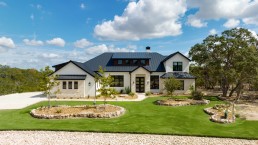
1. The Initial Conversation
The custom home process begins with a conversation—not a floor plan.
This is where your builder begins learning about your family, your property, your vision, and the way you want the home to live. Early conversations may include the desired size and architectural character of the home, important features, investment goals, and general timeline expectations.
Some homeowners begin with property and completed plans. Others arrive with inspiration photos, a preliminary sketch, or simply an idea of what they want.
You do not need to have every detail figured out before speaking with a builder. The purpose of the first conversation is to establish direction, identify priorities, and determine the best next step.
2. Homesite and Early Planning
The property influences nearly every major decision that follows.
In the Texas Hill Country, topography, trees, views, access, utilities, drainage, community requirements, and other site conditions can affect the design, positioning, cost, and construction of the home.
Evaluating the property early allows the builder and design team to better understand its opportunities and potential challenges. It also helps ensure the home is designed intentionally for the land rather than trying to force a plan onto a property where it may not belong.
Thoughtful early planning can improve privacy, preserve important natural features, take advantage of the best views, and create a stronger connection between indoor and outdoor living.

3. Design, Pricing and Investment Alignment
Once the vision and homesite are understood, the design begins to take shape.
This phase develops the layout, architectural character, room relationships, exterior appearance, and overall functionality of the home. It is where broad ideas become meaningful decisions about how the home will look, feel, and function every day.
Design is rarely completed in a single draft. Expect the plans to be thoughtfully refined as your team works to align the home with your lifestyle, property, priorities, and intended investment.
As the design develops, the builder can provide greater clarity regarding the scope and anticipated cost of the project. If adjustments are needed, it is better to make them during planning than after construction begins.
Before construction begins, the plans, specifications, allowances, scope, and pricing are reviewed so expectations are clearly understood. This creates greater confidence in the project before moving forward.
A successful custom home is not simply a beautiful design. It is a design that can be built responsibly while protecting the homeowner’s priorities and the integrity of the finished home.
4. Selections and Pre-Construction
Selections are one of the most enjoyable parts of building a custom home. They are also an important part of creating a cohesive design and preparing the project for construction.
During this phase, homeowners work through the materials, finishes, fixtures, colors, and details that will shape the home’s appearance and everyday experience.
Because many selections influence one another, experienced guidance is valuable. The goal is not simply to choose attractive individual products, but to create a home that feels intentional from one space to the next.
At the same time, the builder is coordinating the many behind-the-scenes details required before construction can begin. This may include final documents, engineering, approvals, permitting, scheduling, and other project preparations.
Although activity may not yet be visible on the property, careful pre-construction work establishes the foundation for a more organized building experience.
Ready to build your home? We have the expertise and understanding to help you from start to finish.
5. Construction and Communication
Once plans, approvals, financing, and other preparations are in place, construction can begin.
The home will progress through a series of coordinated stages—from site preparation and foundation through framing, major building systems, interior finishes, and final details.
Some phases create dramatic visual progress, while others involve careful work that may be less noticeable. Construction activity can also be affected by inspections, material availability, weather, trade coordination, and the complexity of the home.
Consistent communication is essential throughout this phase.
Homeowners should understand what is happening, which decisions are approaching, and whether any issue could affect the investment or projected timeline. Timely decisions from the homeowner also help the builder coordinate work and maintain momentum.
Changes can sometimes be made during construction, but they should be carefully considered. Even a request that appears minor may affect cost, materials, completed work, or scheduling.
This is why strong planning—and an experienced team leading the process—matters.
6. Final Orientation and Move-In
As construction nears completion, attention turns toward inspections, testing, cleaning, adjustments, and final details.
The homeowner and builder will walk through the completed home, review its systems and features, and identify any remaining items requiring attention. This is also an opportunity to discuss home operation, maintenance, product care, and warranty procedures.
After months of planning, decisions, and craftsmanship, the ideas that once existed on paper have become a home designed around the people who will live there.
It is one of the most rewarding moments in the entire process.
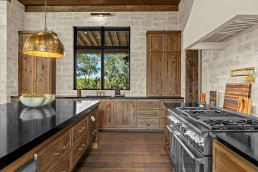
7. Warranty and Continued Support
The builder’s responsibility should not end when the keys are handed over.
Every new home experiences a period of adjustment as materials settle and the home moves through its first seasons. A clear warranty process helps homeowners understand what is covered, how to report an item, and what to expect after move-in.
Brad Moore Builders continues supporting homeowners through the warranty process so they feel cared for beyond completion.
Build With Clarity and Confidence
The custom home building process is detailed, but it should not feel directionless.
The right builder provides structure, communicates clearly, anticipates challenges, and helps homeowners make informed decisions at the appropriate time. The true value is not simply knowing the steps—it is having an experienced team guide you through them.
For 25 years, Brad Moore Builders has helped families build luxury custom homes throughout the Texas Hill Country with a commitment to craftsmanship, communication, and lasting value.
Whether you already own land or are just beginning to explore the possibilities, we would be honored to help you understand the next step.
Let’s Start the Conversation
Whether you already have land or are just beginning, we are here to help you take the next step toward your custom home.
